
Hallmarking, which has been carried out in the UK for nearly 700 years, represents the earliest form of consumer protection, and still remains a legal requirement. Please click here to view our Dealers Notice.
Hallmarks are small markings stamped on gold, silver and platinum articles. A hallmark means that the article has been independently tested at an Assay Office and guarantees that it conforms to all legal standards of purity (fineness).
COMPULSORY MARKS
Modifications to the Hallmarking Act, effective from 1 January 1999, have changed the way articles made of precious metal are hallmarked. A UK Hallmark now comprises three compulsory symbols:
 |
Sponsor's or Maker's MarkIndicates the maker or sponsor of the article. In Britain, this mark consists of at least two letters within a shield, and no two marks are the same. |
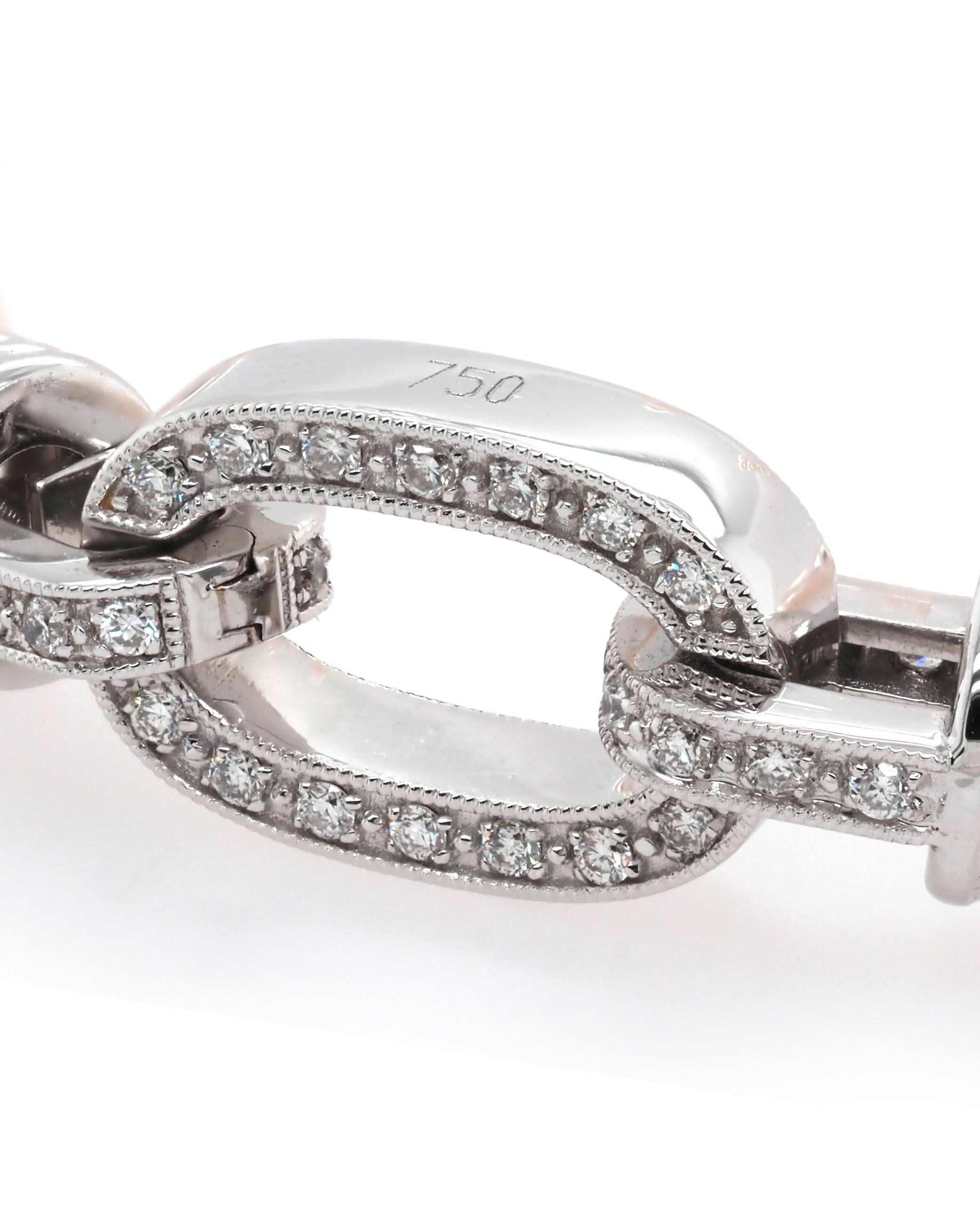
Metal and Fineness (Purity) MarkIndicates the precious metal content of the article, and that it is not less than the fineness indicated. Since 1999, all finenesses are indicated by a millesimal number (e.g. 375 is 9ct). This number is contained in a shield depicting the precious metal. |
|
Assay Office MarkIndicates the particular Assay Office at which the article was tested and marked. There are now just four British Assay Offices: London, Birmingham, Sheffield and Edinburgh, although there were other Assay Offices in former times. |
VOLUNTARY MARKS
 |
Traditional Fineness (Purity) MarkPrior to 1999, silver and platinum finenesses were indicated by symbols. |
 |
Common Control MarkThis is a mark used by countries which are signatories to the International Convention on Hallmarks. |
 |
Date MarkUntil 1999, a date letter indicating the year of hallmarking was compulsory. This is no longer the case, but it can be applied voluntarily in addition to the compulsory marks. |
 |
Commemorative MarkThese marks have been stamped to mark significant occasions such as Royal Jubilees or anniversaries. One example is the Millennium Mark which was applied to precious metals during 1999 and 2000. |
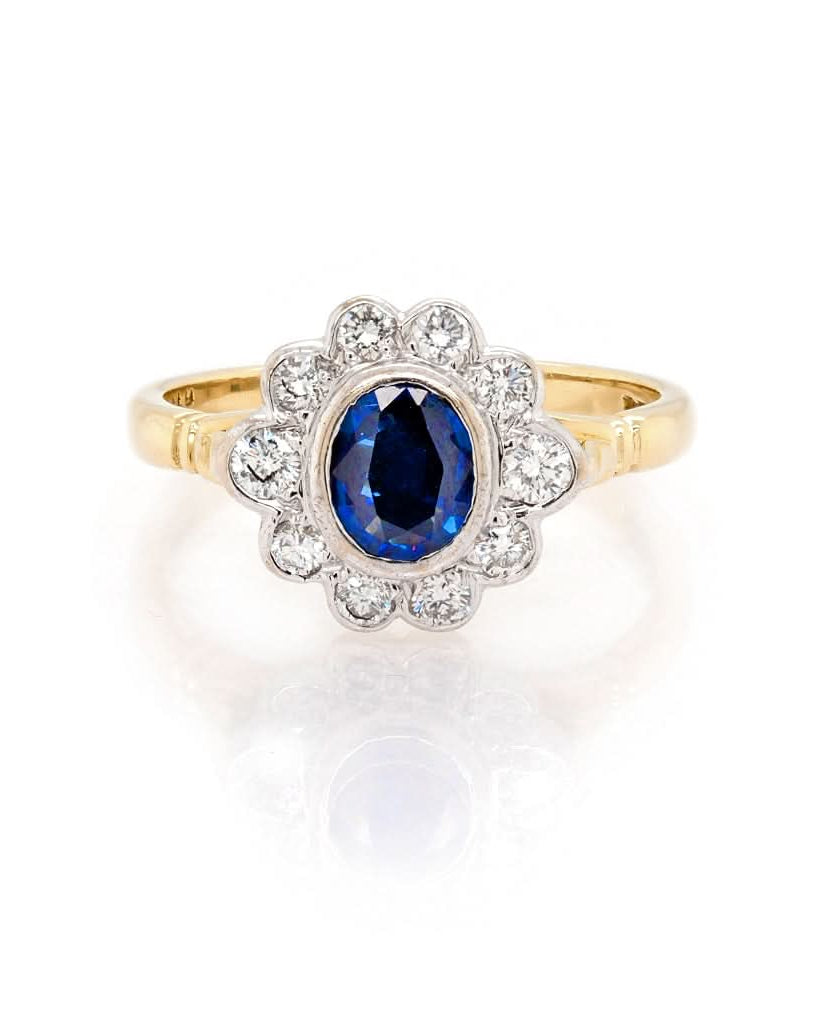
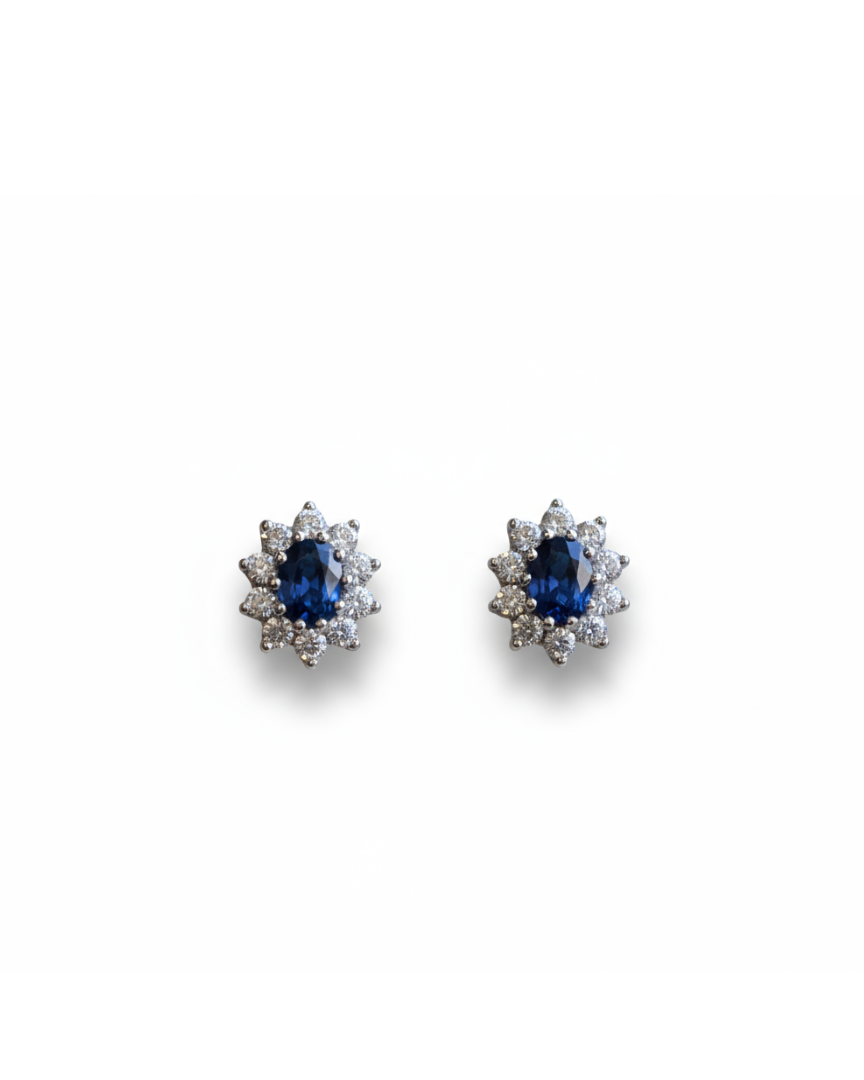
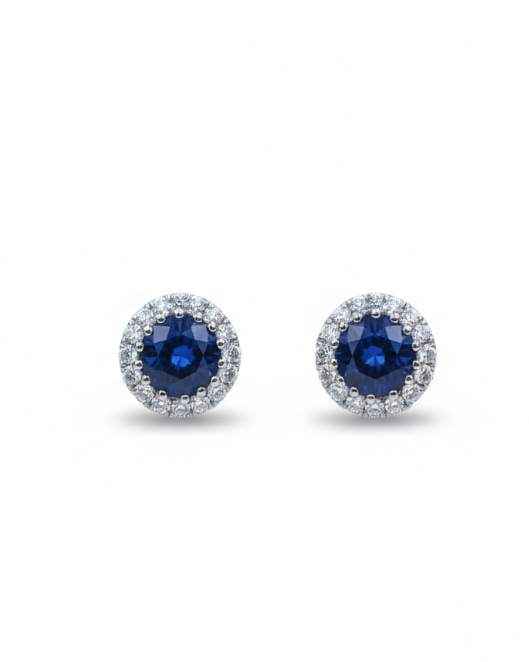
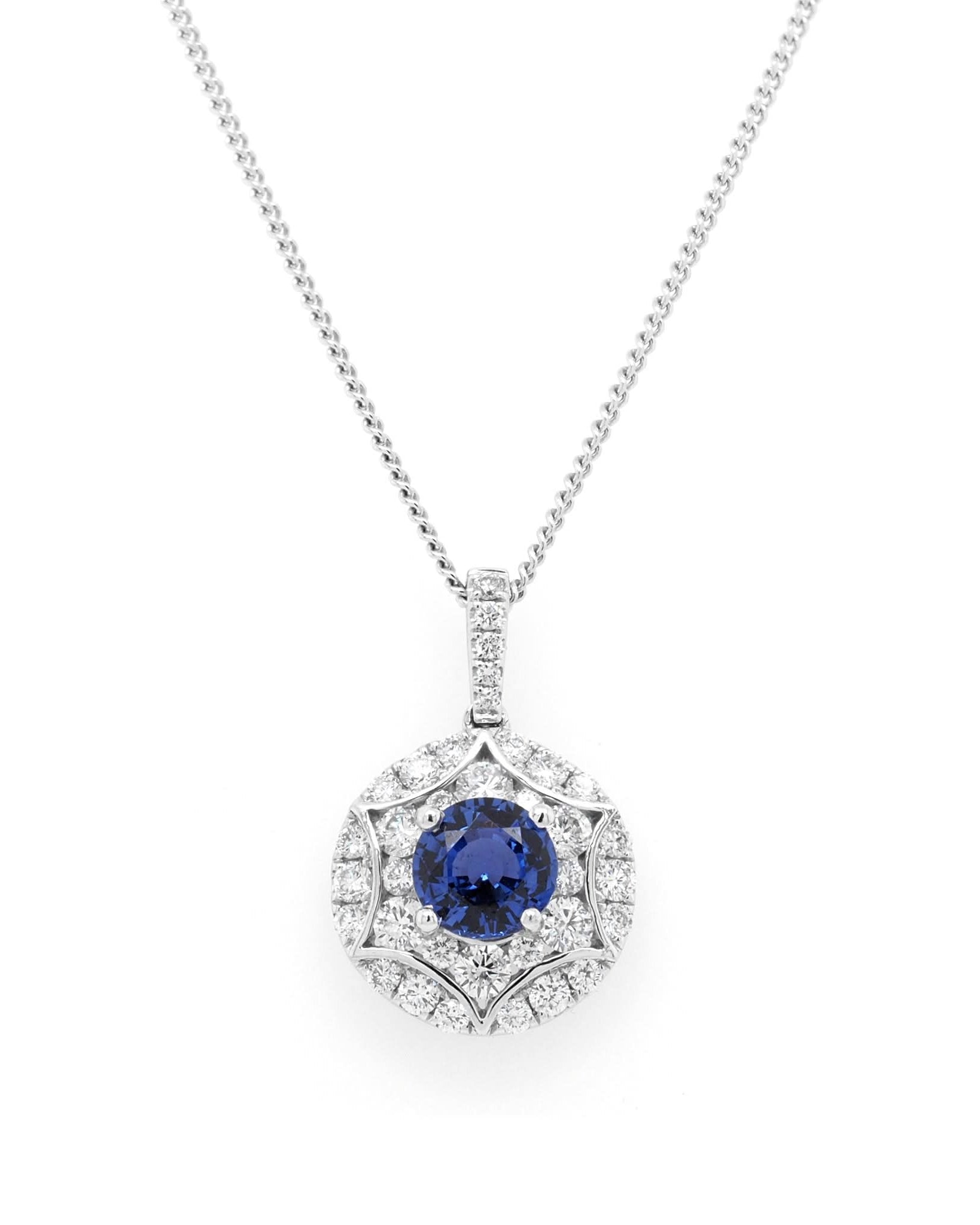

A spectacular statement in blue and white, these important Ceylon sapphire and diamond pendant earrings epitomise the drama and refinement for which we stand for. Each earring is set with a vivid oval Ceylon sapphire of exceptional colour and clarity, the stones totalling an impressive 10.13 carats, their bright cornflower hue immediately marking them out as gems of rare quality.
Surrounding each sapphire is a halo of fine white diamonds, with additional graduated diamonds articulating the drop to catch the light at every movement. Crafted in 18ct white gold, the clean lines of the setting allow the sapphires to dominate, while the diamonds lend scintillation and lift. Perfect for black‑tie occasions, weddings or red‑carpet moments, these earrings are the sort of jewels that become part of a family history: worn rarely, remembered always.

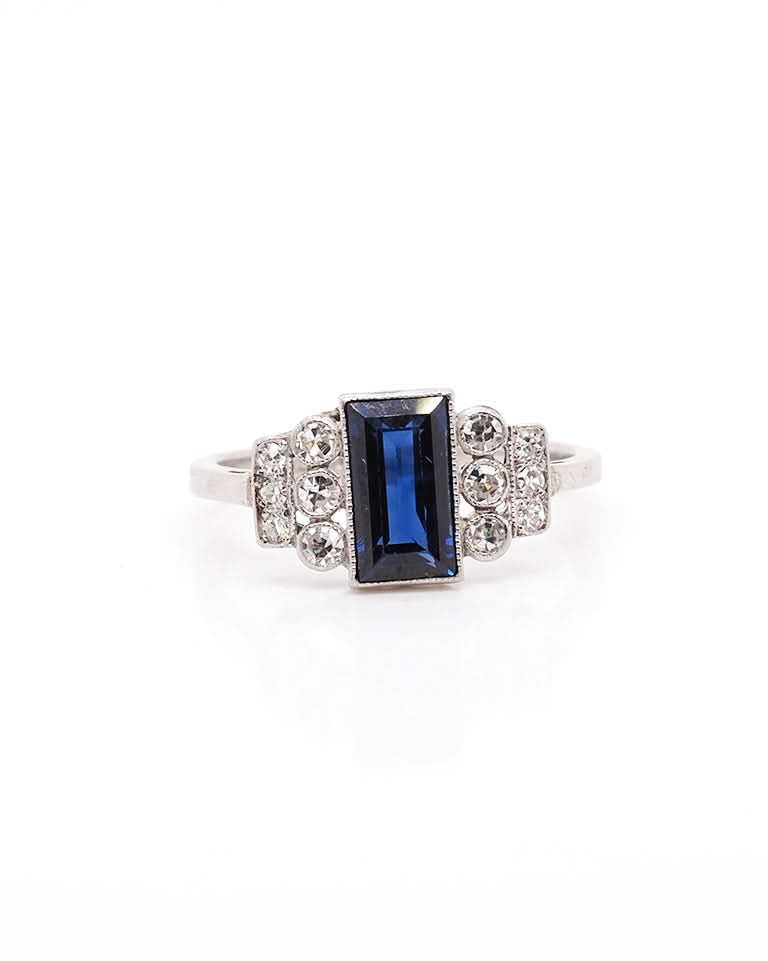
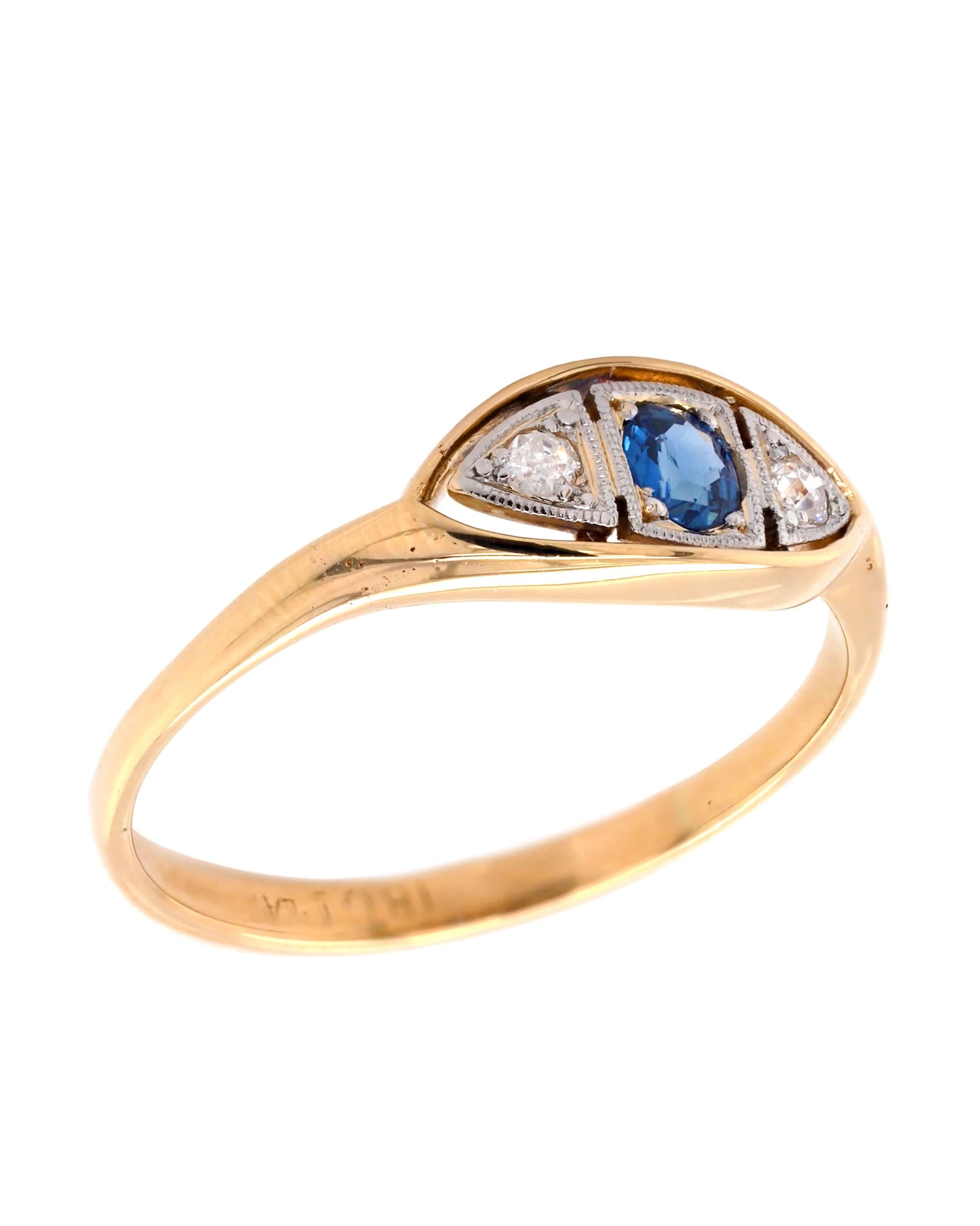
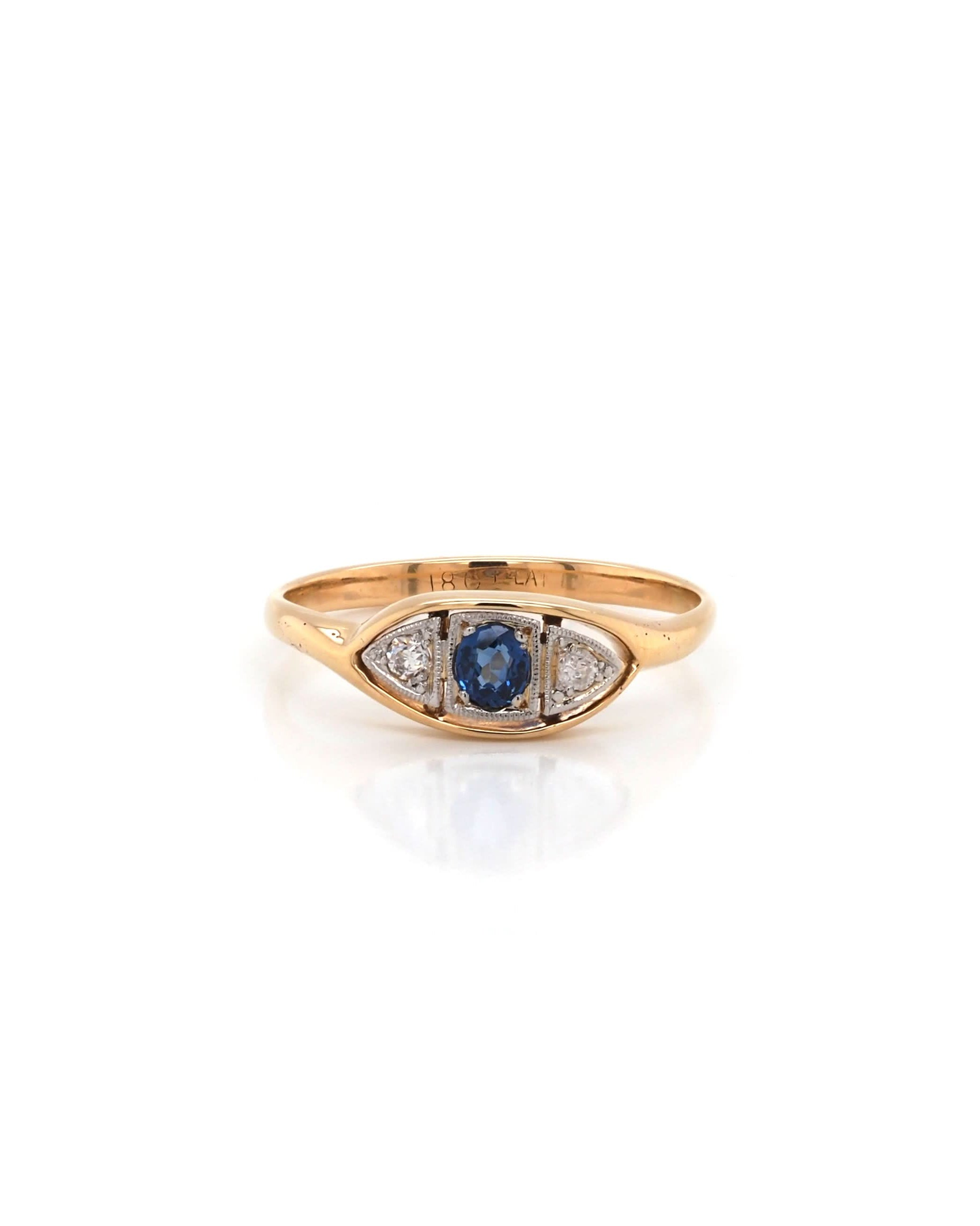
Brimming with late Victorian charm, this antique three‑stone ring showcases the timeless pairing of deep blue sapphire and old‑cut diamonds in a beautifully balanced design. The central sapphire displays a rich, velvety hue, flanked on either side by chunky old‑cut diamonds whose soft, romantic sparkle is so characteristic of jewellery from around 1900.
Set in warm 18ct gold with delicately carved shoulders, the trilogy arrangement sits low and comfortably on the finger while still offering plenty of presence. Traditionally symbolising past, present and future, three‑stone rings make particularly meaningful engagement or anniversary pieces, and this example has the added allure of more than a century of history already behind it.

An extraordinary gem of true collector status, this 24.59ct Ceylon colour change sapphire is a once‑in‑a‑generation stone. Cut as a generous cushion, it displays the classic “Ceylon” character – a bright, open tone with remarkable clarity – while its chameleon‑like shift in different lights adds a layer of magic that photographs can only hint at.
Under cool daylight the sapphire shows a vivid bluish hue; move it into warmer, indoor light and it transforms towards rich violet tones, the colour change rolling gracefully across the facets. At over twenty‑four carats this is not only a substantial gemstone but also a highly wearable one, with proportions that would sit beautifully in a bold ring or pendant designed to frame – rather than compete with – its natural beauty.