
CLARITY
As natural minerals, diamonds usually contain tiny 'Inclusions', which can take the form of crystals, clouds or feathers. These are rarely visible to the naked eye, but can be perceived under magnification. A diamond with no perceived inclusions is extremely rare and correspondingly expensive.
Using a GIA or a CIBJO Scale, diamonds are graded by clarity from Flawless to Imperfect 3. The descriptions under the GIA scheme are as follows:
- Flawless (FL)
- Internally Flawless (IF)
- Very Very Slightly Included (VVS1, VVS2) - i.e. there are very few inclusions or blemishes
- Very Slightly Included (VS1, VS2)
- Slightly Included (SI1, SI2)
- Included (I1, I2, I3)
CARAT
A carat is 0.2 grams and, along with ‘points’ (one hundredth of a carat) forms the terminology used to describe the weight of a gemstone. Larger diamonds are rare and therefore considerably more valuable than smaller ones. The term derives from the use of carob seeds to measure the weight of gemstones in ancient times.
COLOUR
The colour of a diamond is determined using the GIA (Gemmological Institute of America) Scale, an alphabetical scale that grades the colour of a diamond from D (colourless - very rare and valuable) to Z (tinged with a yellowish colour).
The colour differences between diamonds (for example between an G or an H coloured diamond) are very subtle and difficult to ascertain without considerable training or experience.
The Cut is the only one of the 4C's to be determined by human intervention rather than nature. It is perhaps a diamond's most important characteristic, as a good cut will maximise the reflection of light through the top of the stone and the spectral colours visible, in essence providing brilliance.
CUT
Common cuts include 'Brilliant' and 'Fancy'. The latter encompasses a large number of popular cuts including 'Princess', 'Rose' and 'Step'.

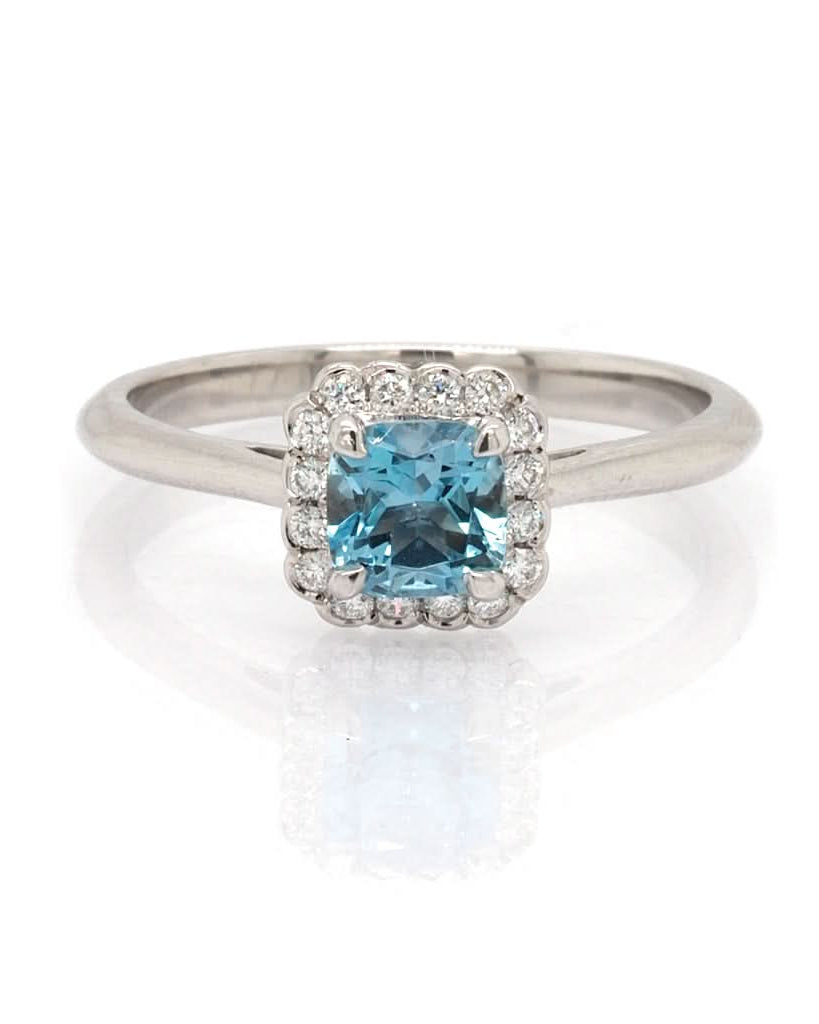
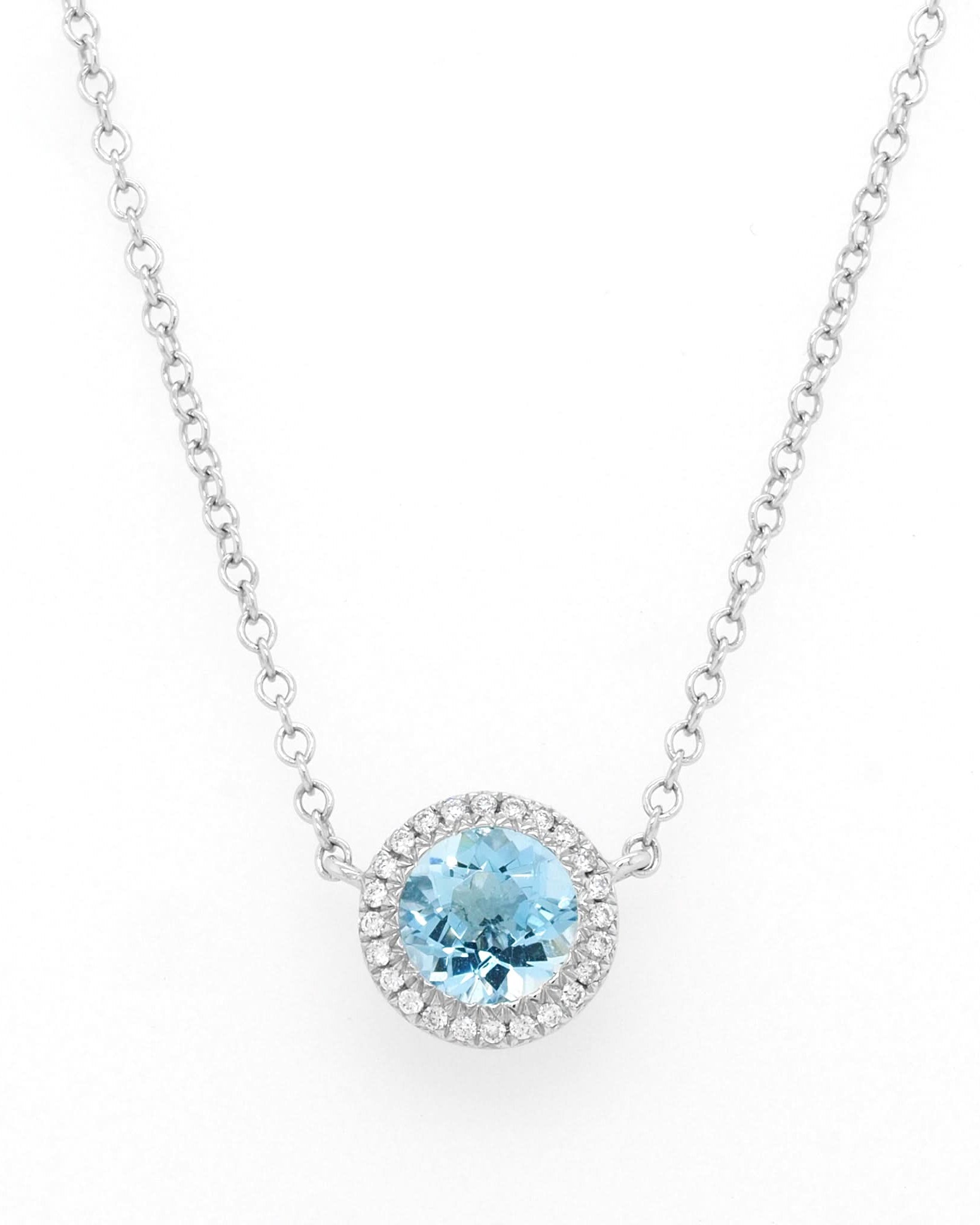
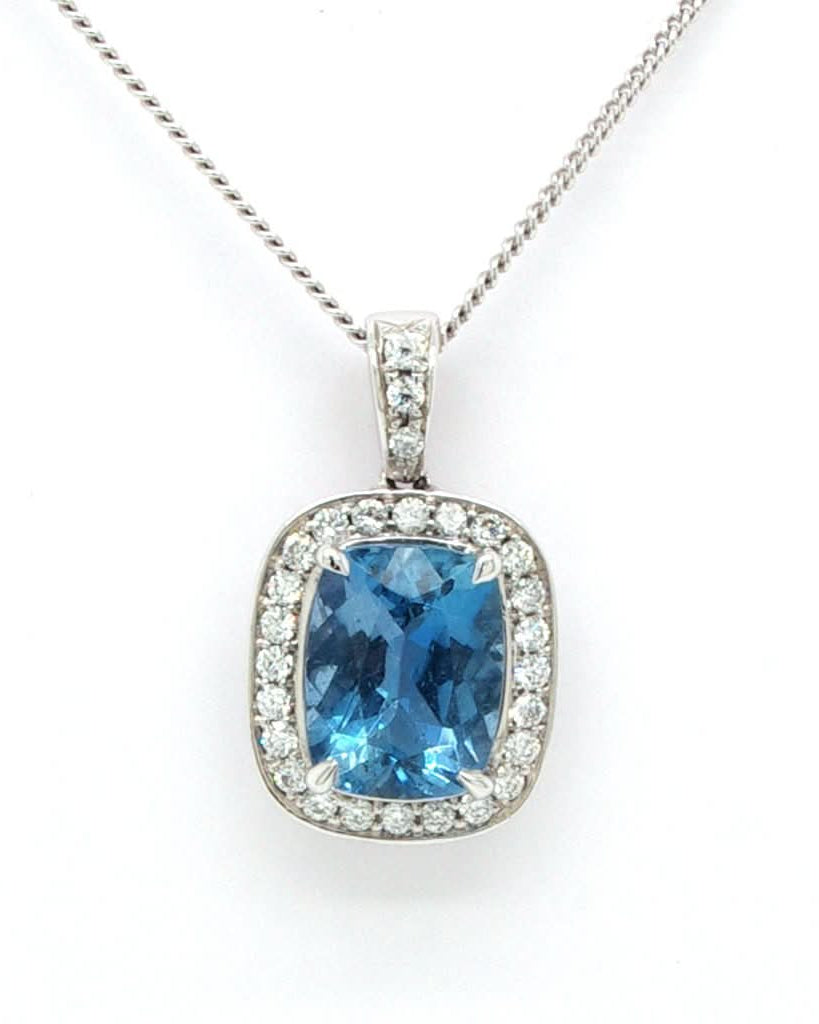
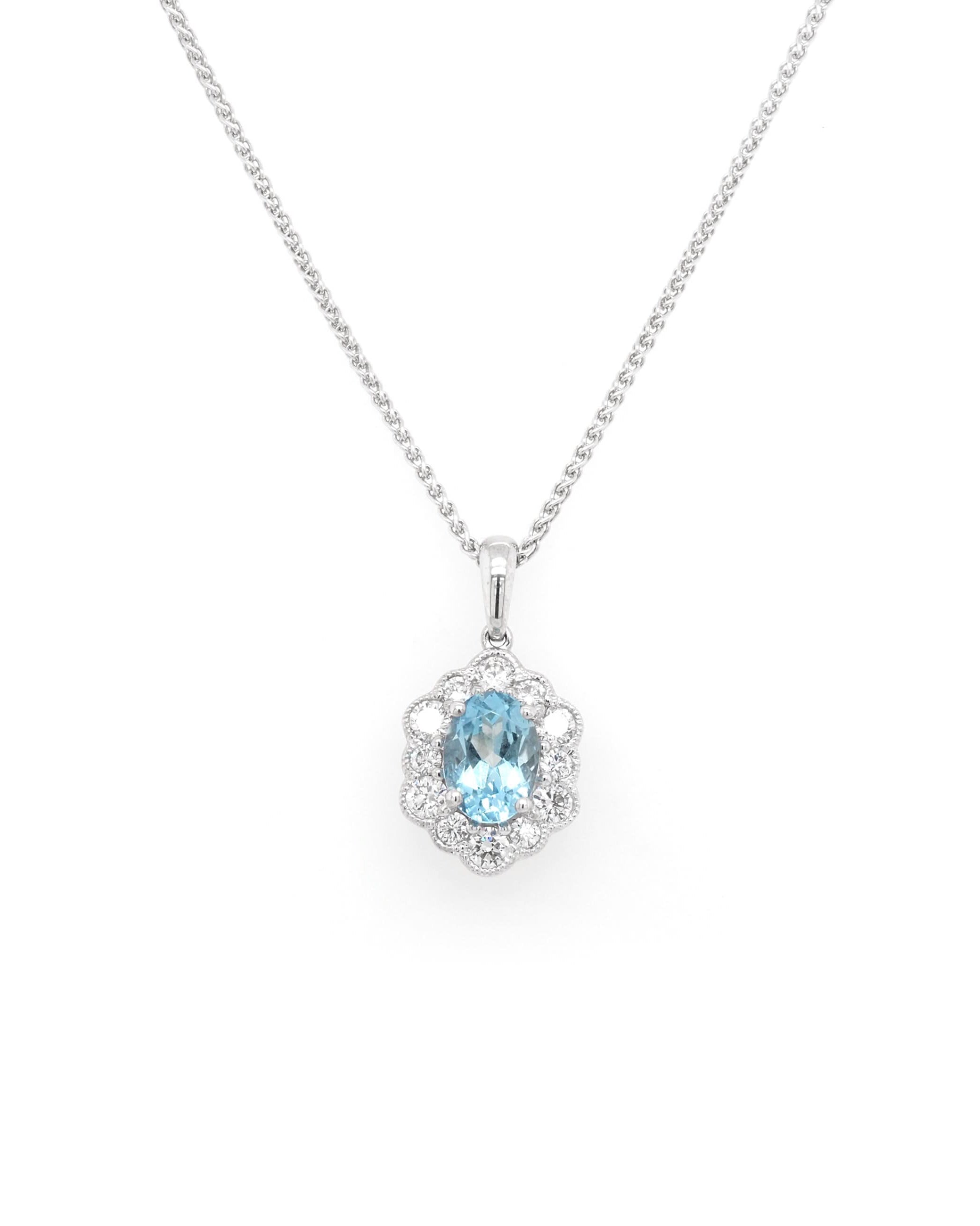
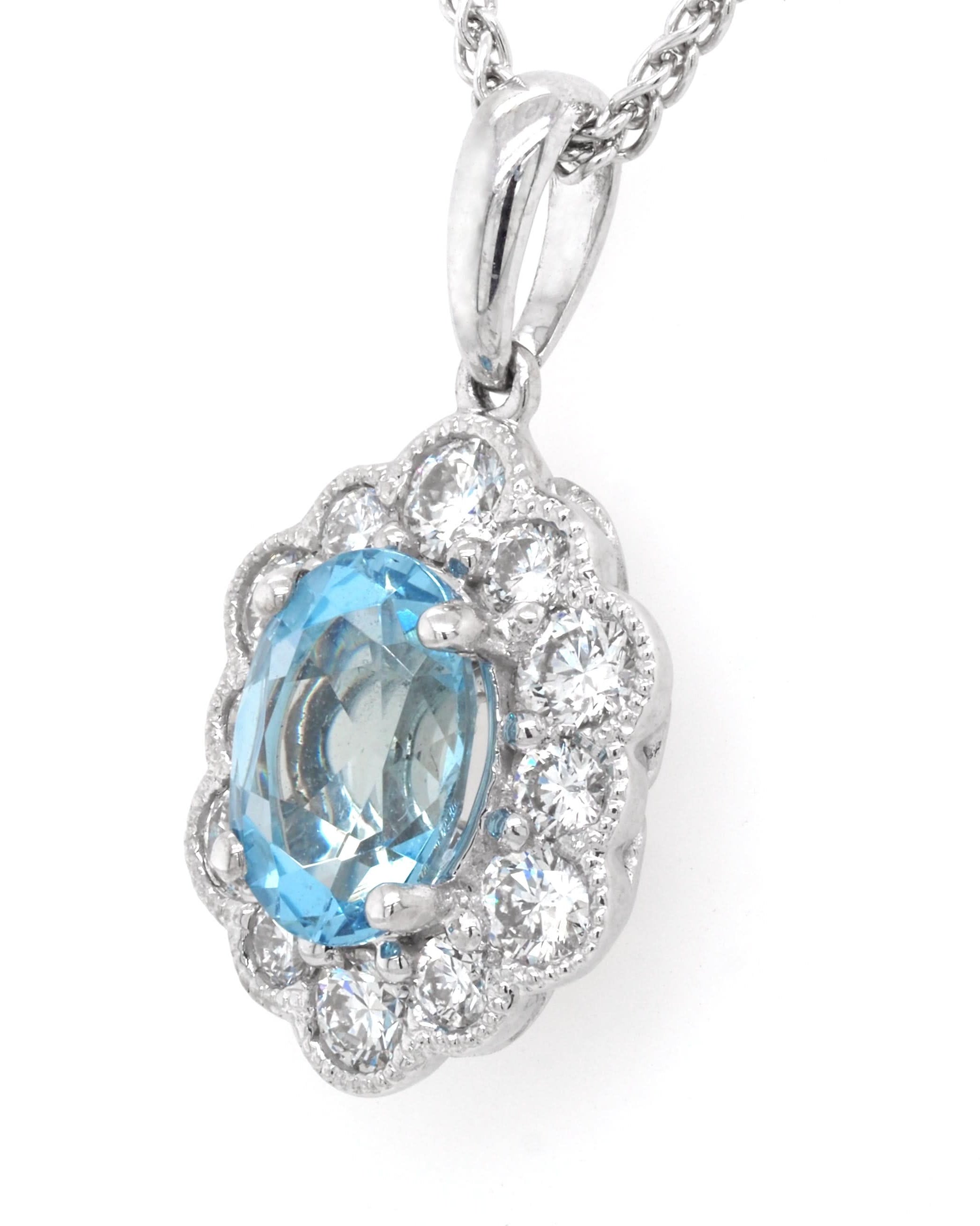
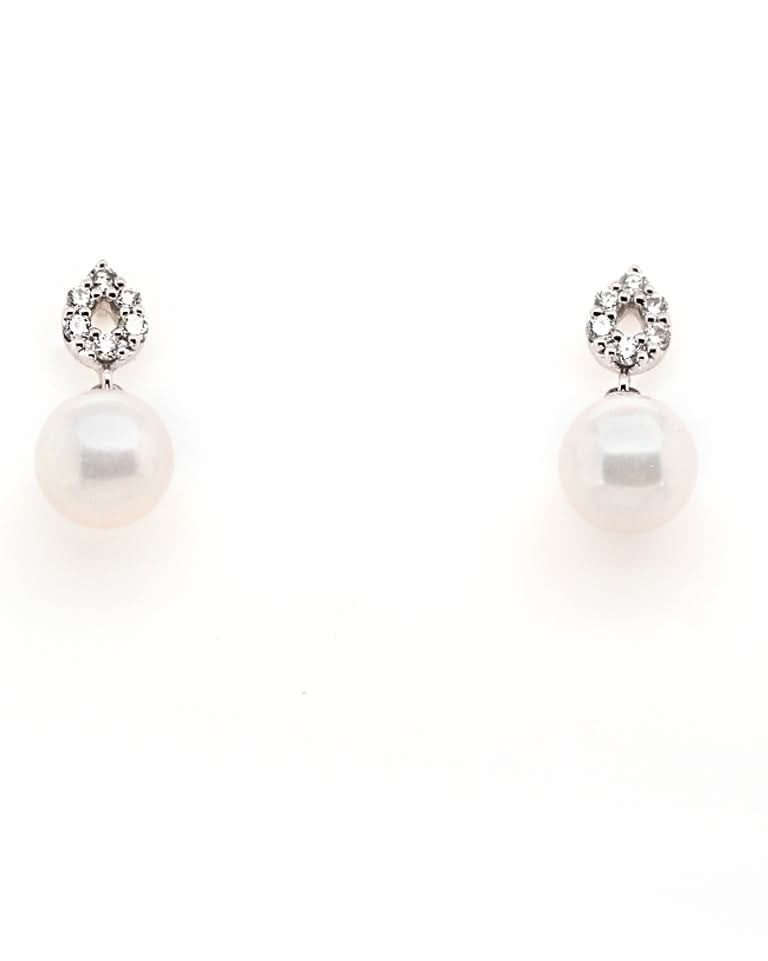
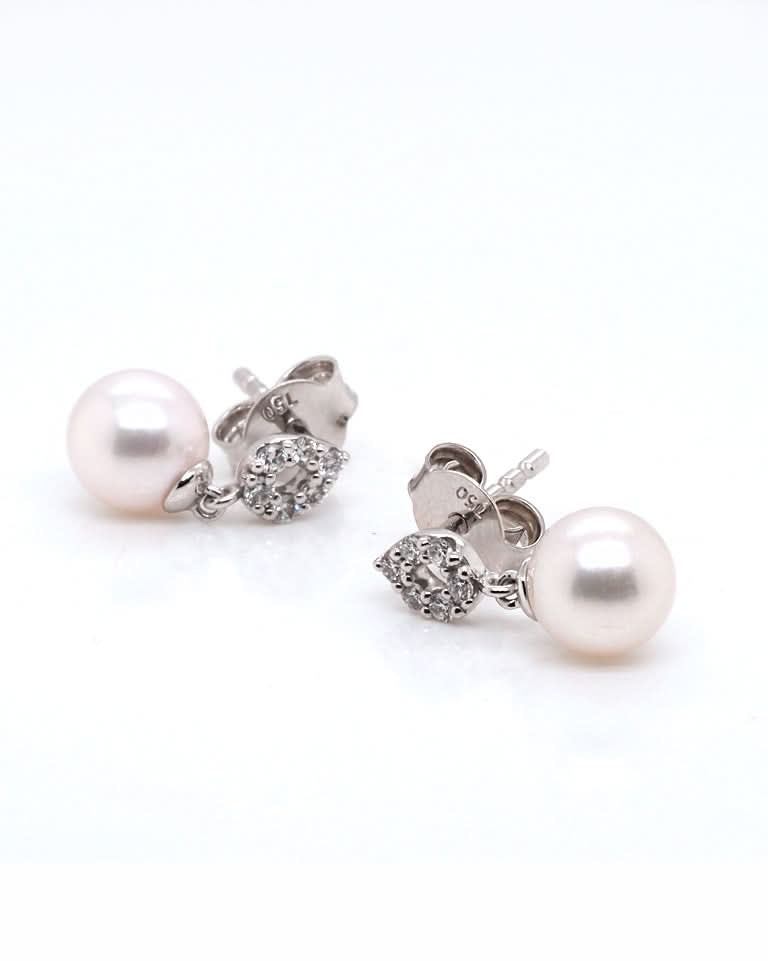
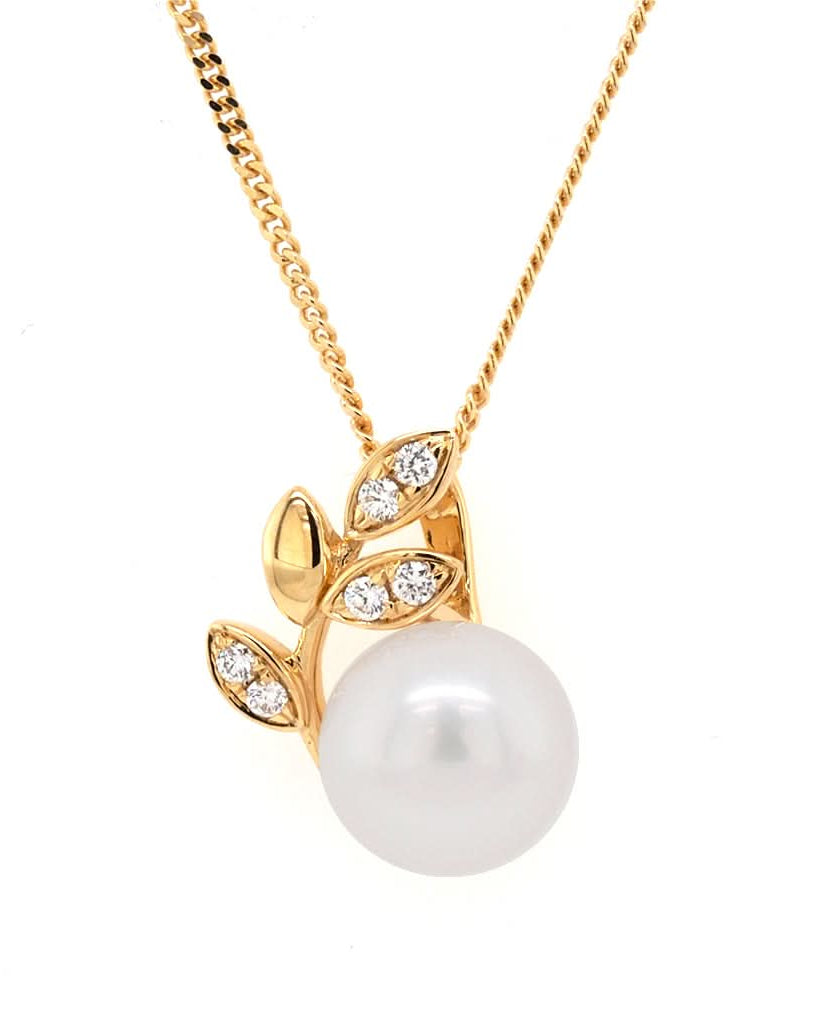
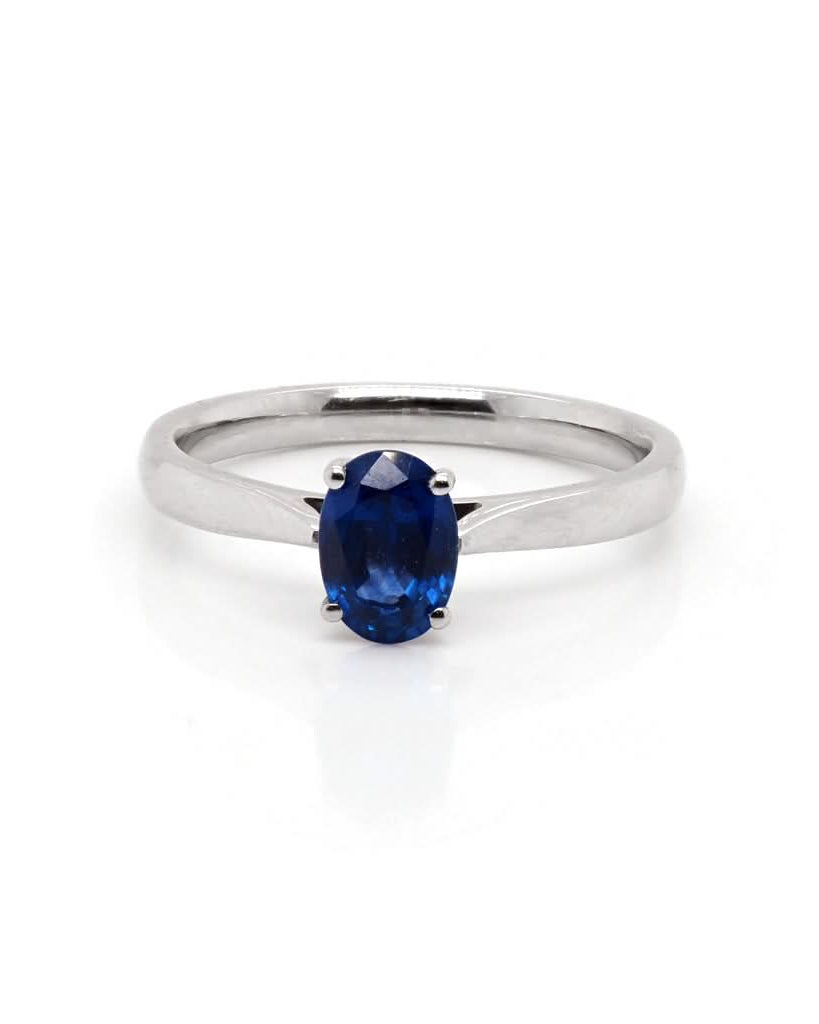
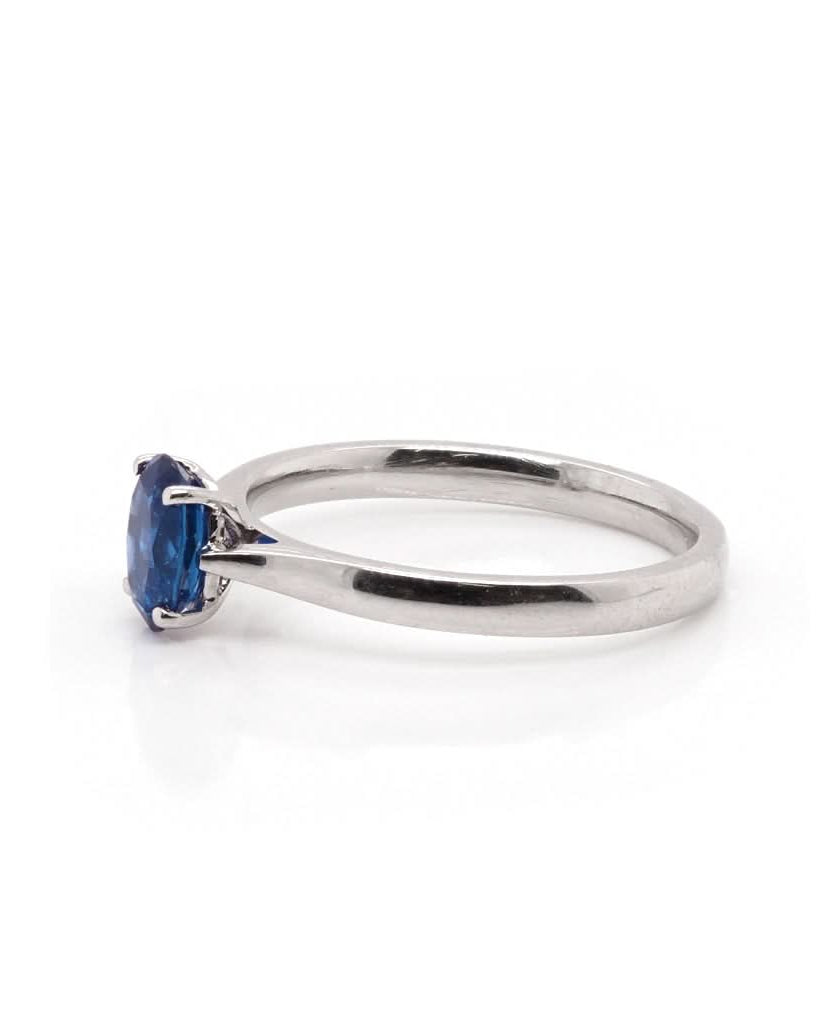
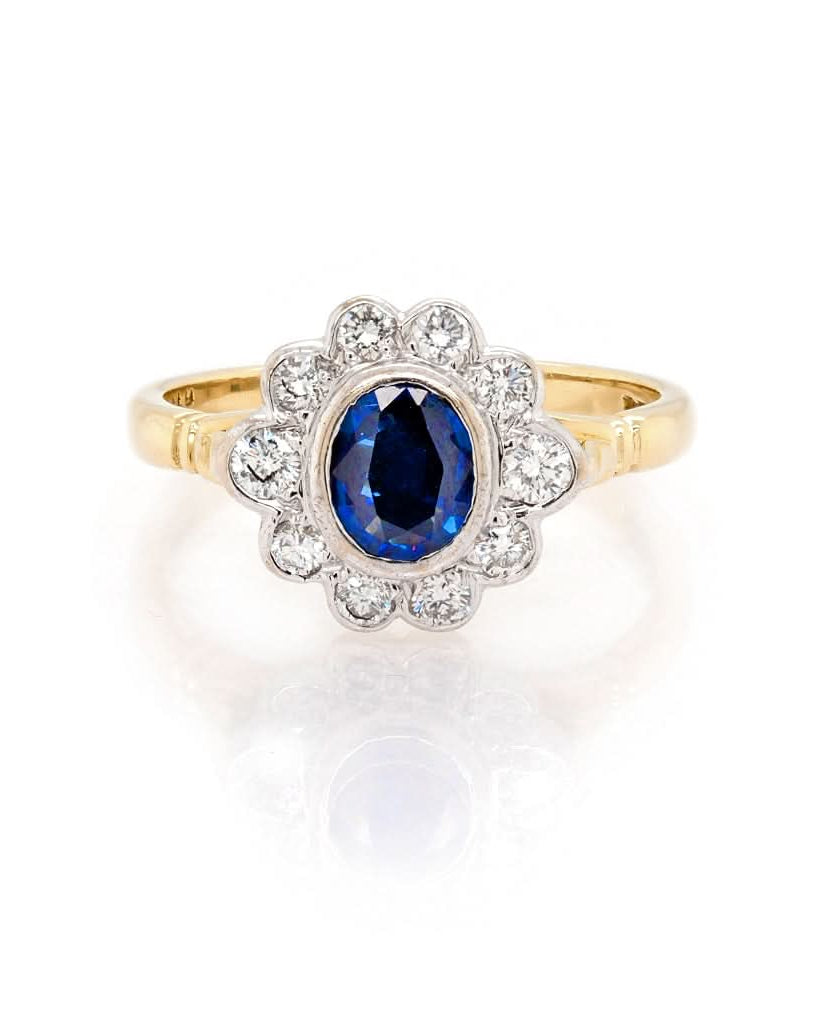
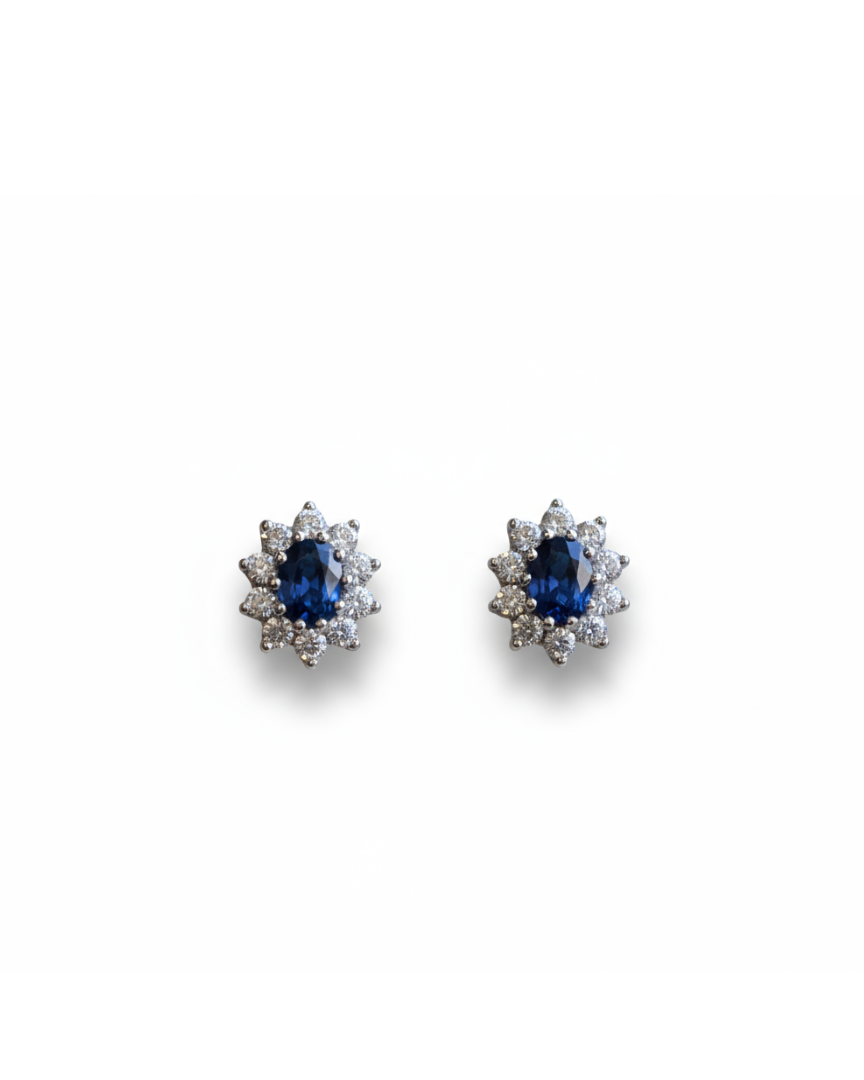
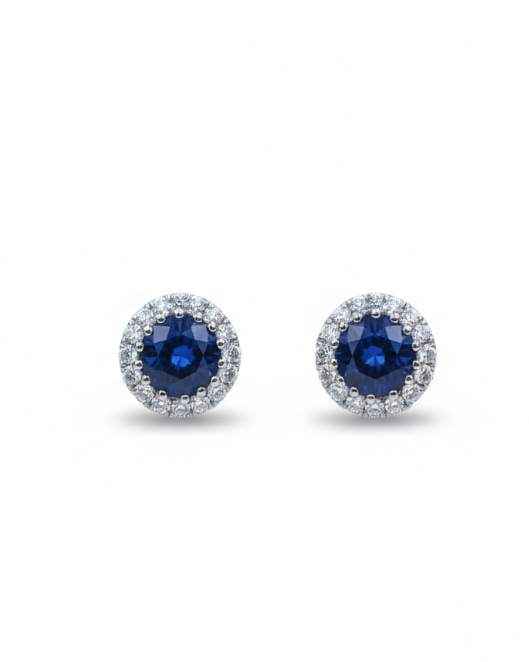
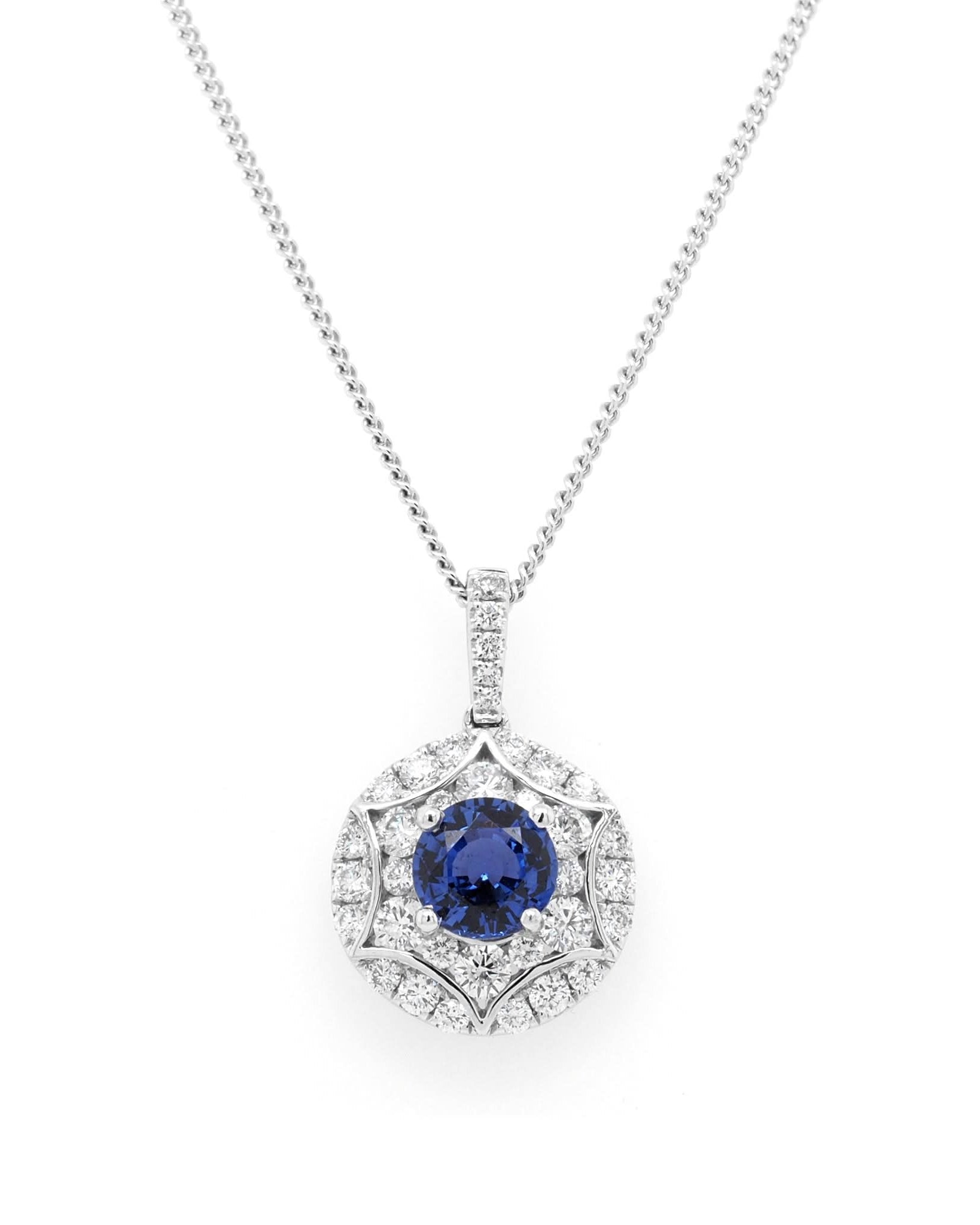
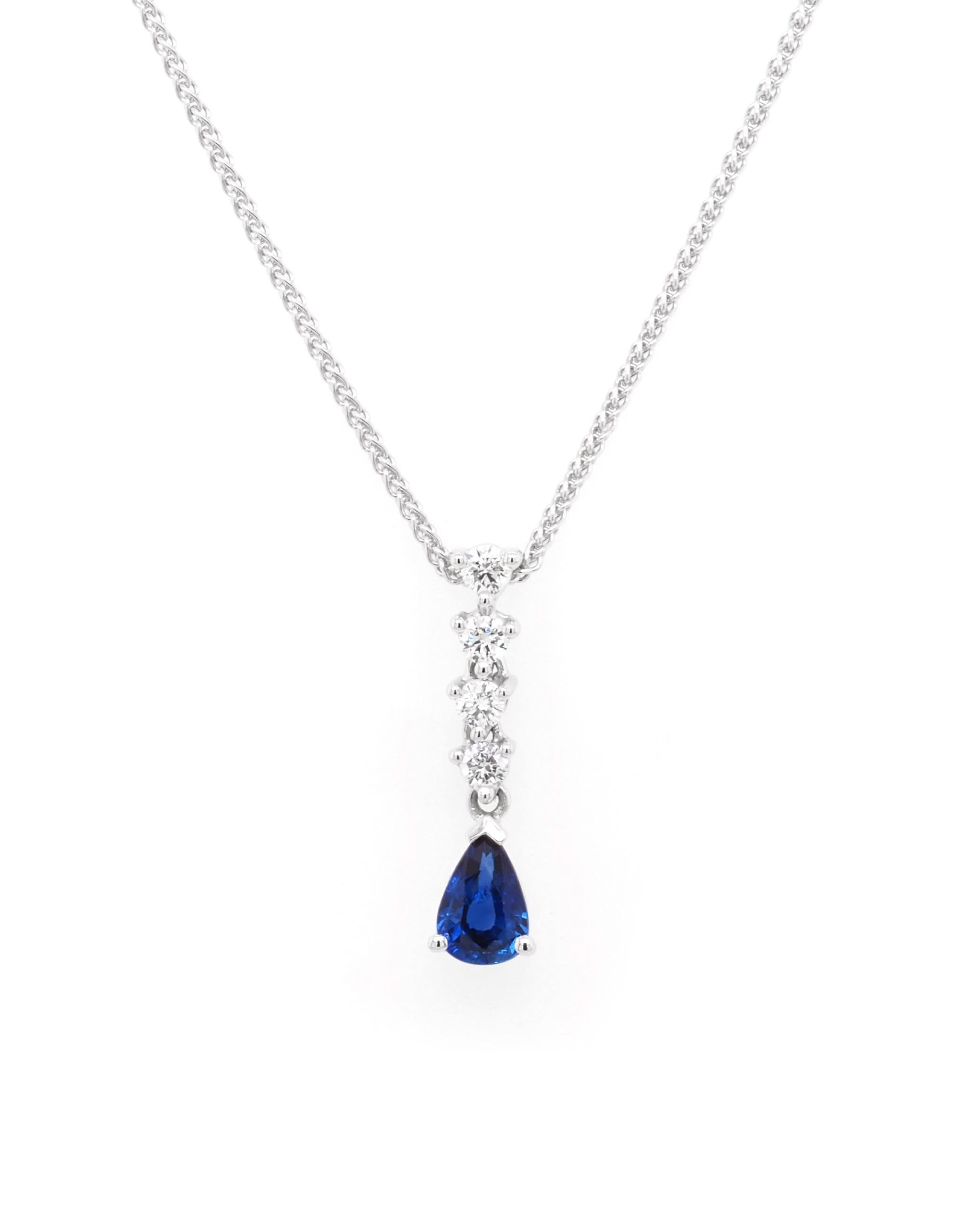
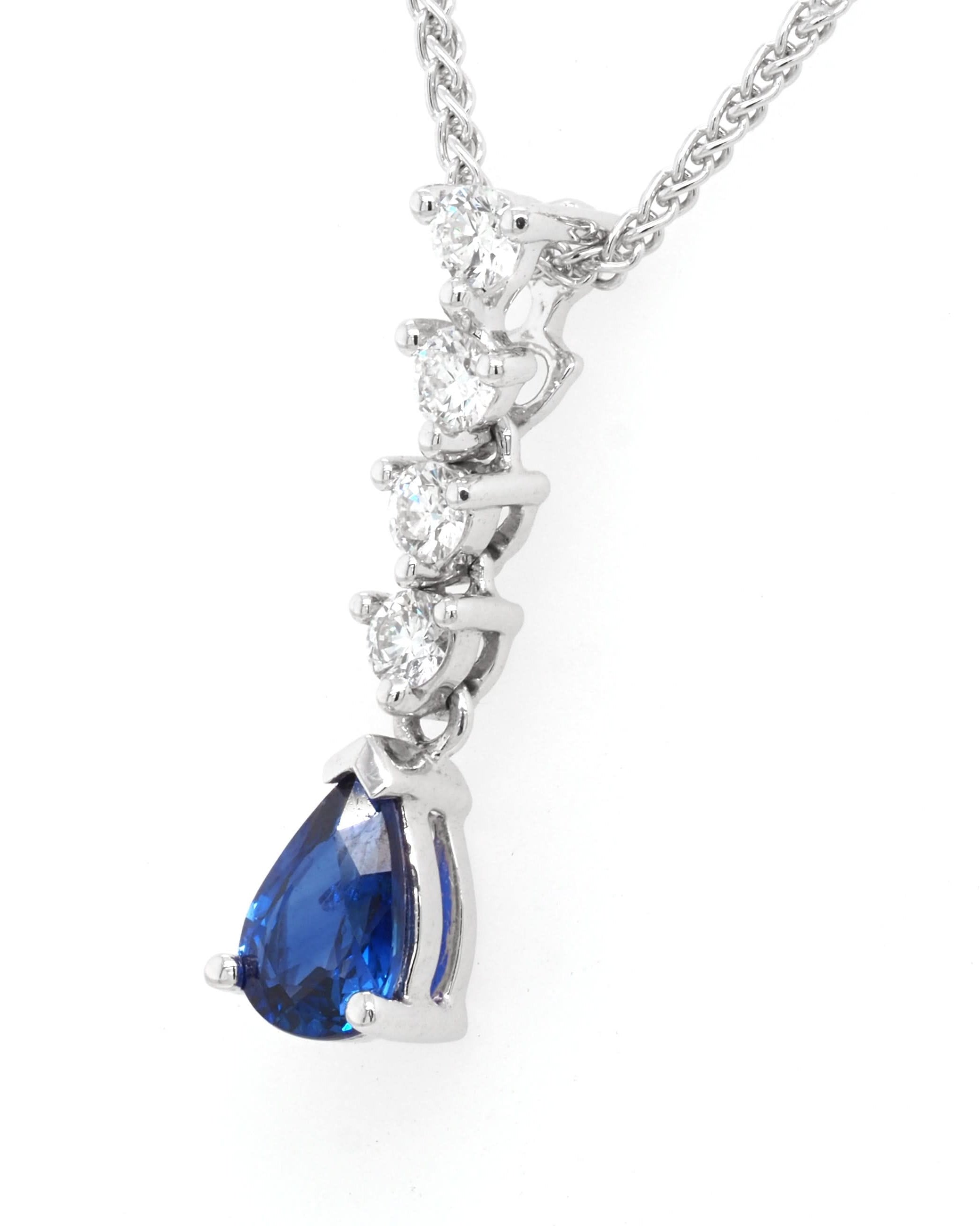
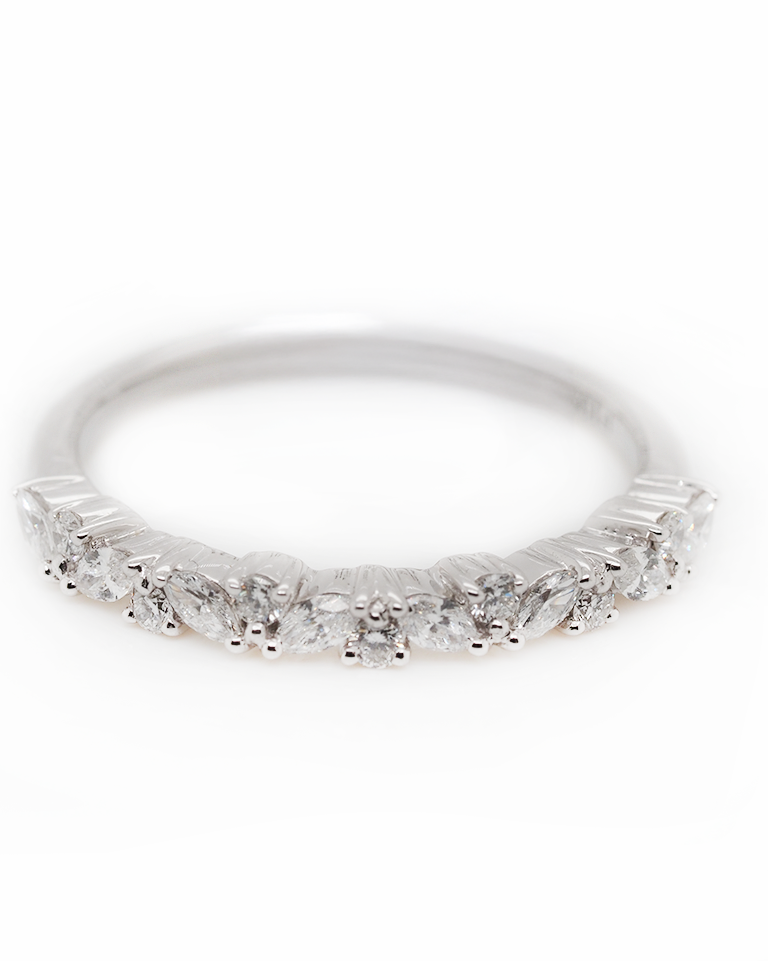
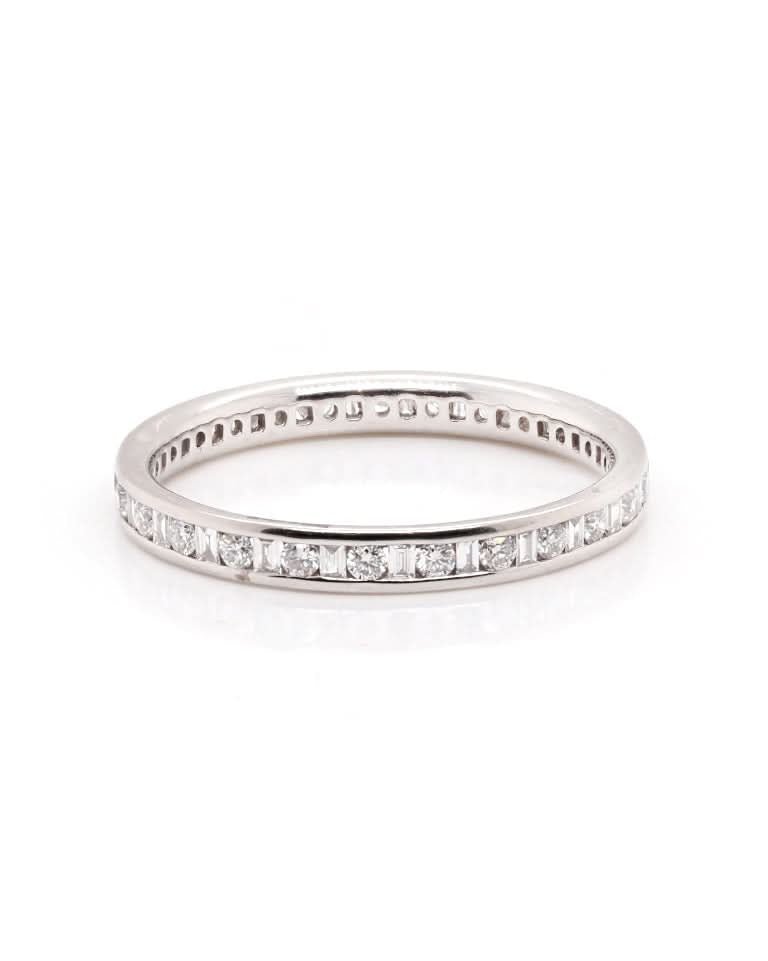

A spectacular statement in blue and white, these important Ceylon sapphire and diamond pendant earrings epitomise the drama and refinement for which we stand for. Each earring is set with a vivid oval Ceylon sapphire of exceptional colour and clarity, the stones totalling an impressive 10.13 carats, their bright cornflower hue immediately marking them out as gems of rare quality.
Surrounding each sapphire is a halo of fine white diamonds, with additional graduated diamonds articulating the drop to catch the light at every movement. Crafted in 18ct white gold, the clean lines of the setting allow the sapphires to dominate, while the diamonds lend scintillation and lift. Perfect for black‑tie occasions, weddings or red‑carpet moments, these earrings are the sort of jewels that become part of a family history: worn rarely, remembered always.

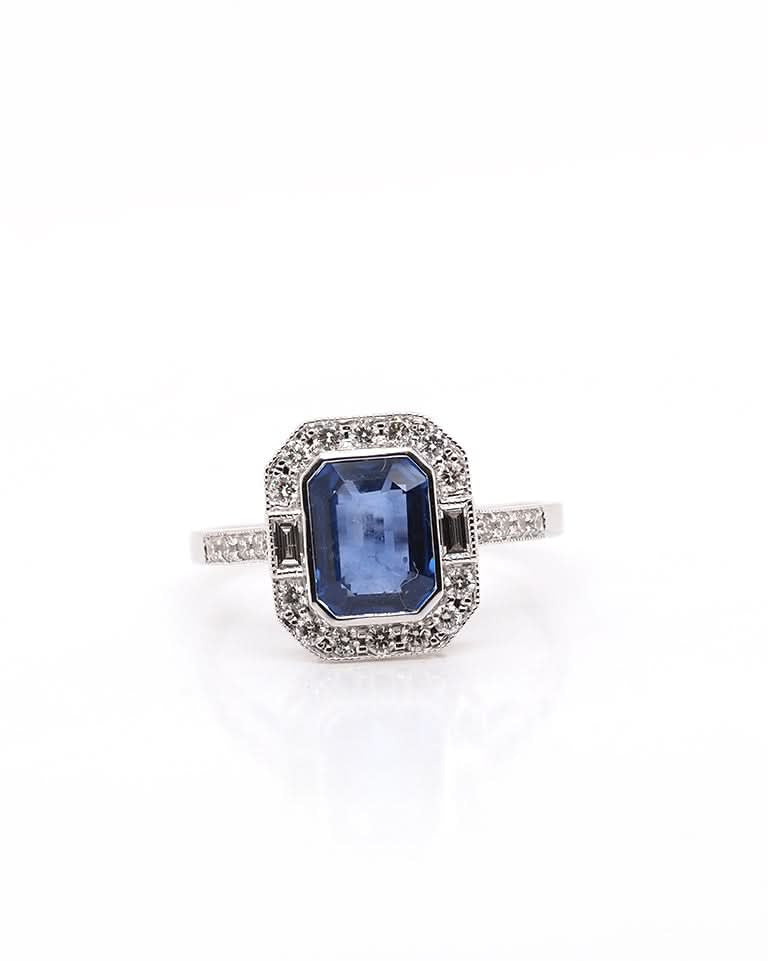
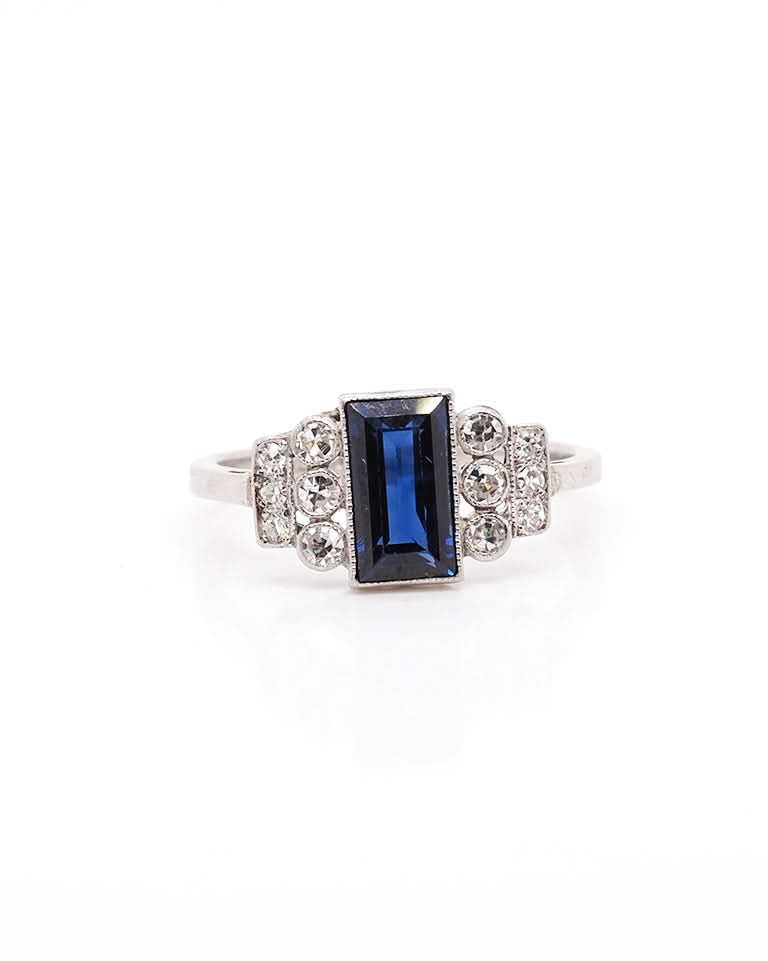
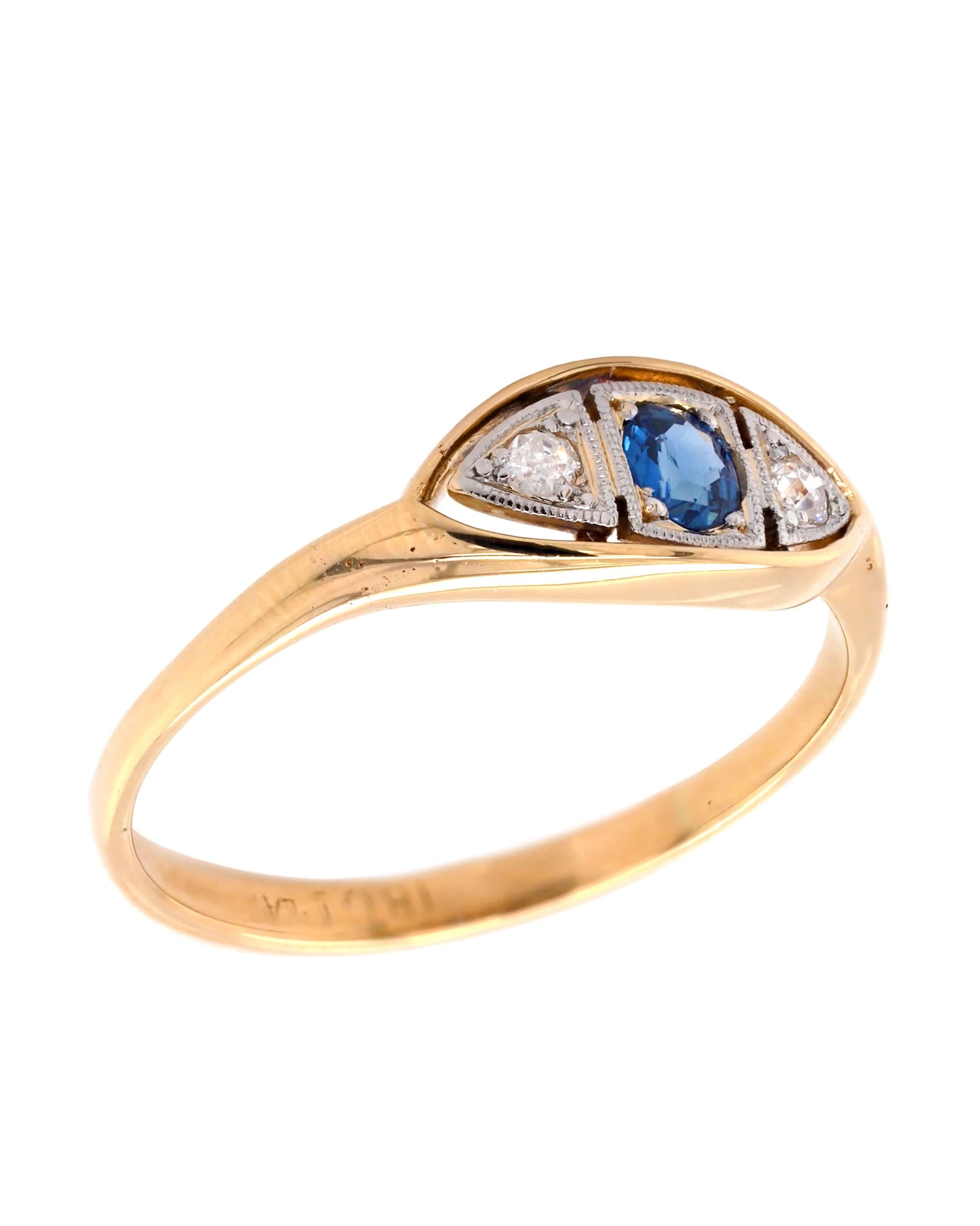
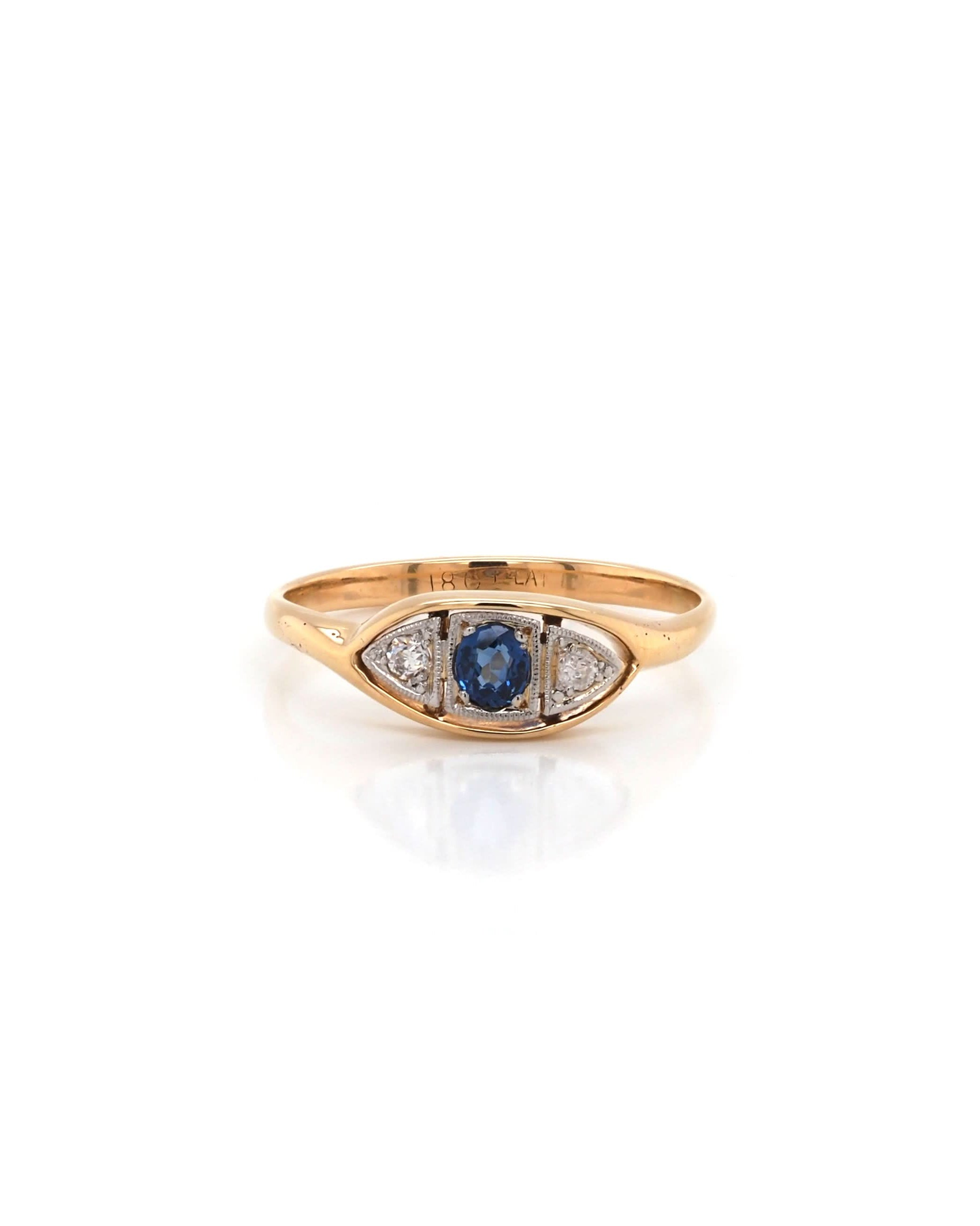
Brimming with late Victorian charm, this antique three‑stone ring showcases the timeless pairing of deep blue sapphire and old‑cut diamonds in a beautifully balanced design. The central sapphire displays a rich, velvety hue, flanked on either side by chunky old‑cut diamonds whose soft, romantic sparkle is so characteristic of jewellery from around 1900.
Set in warm 18ct gold with delicately carved shoulders, the trilogy arrangement sits low and comfortably on the finger while still offering plenty of presence. Traditionally symbolising past, present and future, three‑stone rings make particularly meaningful engagement or anniversary pieces, and this example has the added allure of more than a century of history already behind it.

An extraordinary gem of true collector status, this 24.59ct Ceylon colour change sapphire is a once‑in‑a‑generation stone. Cut as a generous cushion, it displays the classic “Ceylon” character – a bright, open tone with remarkable clarity – while its chameleon‑like shift in different lights adds a layer of magic that photographs can only hint at.
Under cool daylight the sapphire shows a vivid bluish hue; move it into warmer, indoor light and it transforms towards rich violet tones, the colour change rolling gracefully across the facets. At over twenty‑four carats this is not only a substantial gemstone but also a highly wearable one, with proportions that would sit beautifully in a bold ring or pendant designed to frame – rather than compete with – its natural beauty.